What You Need To Know
Telogen effluvium (TE) from acute stress or shock commonly causes diffuse shedding. Nutritional support can help while the hair cycle resets, but choices matter: prioritize nutrients linked to hair health (iron, zinc, B‑vitamins) and pair them with safe adaptogens if stress is ongoing. Below are four validated hair supplements in ranked order and concise, clinically minded guidance on adaptogen and B‑vitamin use. Always check labs and consult a clinician before starting iron or high‑dose B vitamins.
Supplement with Potent 10000 mcg Biotin, Iron & Zinc
Supplement with Potent 10000 mcg Biotin, Iron & Zinc stood out for people with documented iron deficiency or who have been advised to take higher-dose biotin. and balanced scoring across the most useful buying criteria.
View Deal On Amazon
Supplements for Stress-Induced Telogen Effluvium: Adaptogens and B-Vitamin Protocols
The four ranked products vary by ingredient focus and price. #1 emphasizes high biotin plus iron and zinc — useful if deficiency is present. #2 is a budget hair vitamin aimed at thinning/fallout. #3 is a physician‑formulated premium option. #4 is a DHT‑focused formula and is less directly targeted at acute stress‑related TE but may suit mixed‑pattern concerns. None replace medical evaluation for iron or B12 deficiency.
Supplement with Potent 10000 mcg Biotin, Iron & Zinc
High‑biotin formula that also lists iron and zinc — targets common micronutrients implicated in hair health. Best used when labs or clinician indicate need for iron and high biotin.

Hair Vitamins To Help Thinning and Fallout
A budget hair vitamin marketed for thinning and fallout. Good entry‑level option to cover general hair nutrient needs; check the label for specific B‑vitamin and iron content.

MD Nutri Hair Growth Supplement – Physician Formulated
MD Nutri
Physician‑formulated hair supplement positioned as a premium option. Likely has a broad nutrient profile—check for B12, folate and iron if those are priorities for TE recovery.
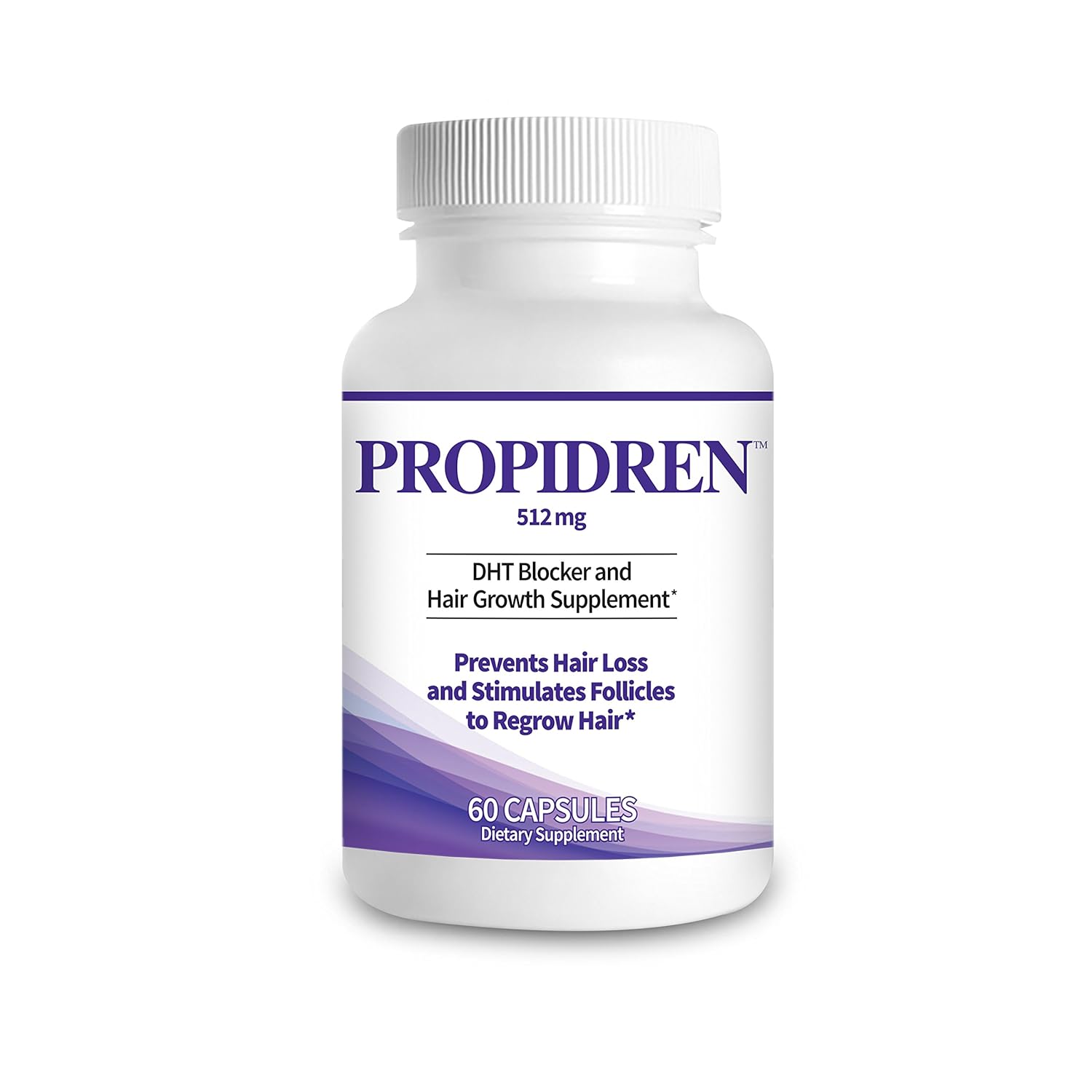
Propidren by HairGenics - DHT Blocker & Hair Growth
HairGenics
A DHT‑blocking formula aimed at androgenic contributors to hair loss. It is less directly targeted at acute stress‑induced TE but may be relevant if mixed pattern hair loss is suspected.
Buying Notes
Look first at whether a formula supplies nutrients you actually need: if labs show iron deficiency, choose a product containing iron or follow a clinician‑prescribed iron regimen. For stress-related shedding, prefer a B‑complex or targeted B12/folate (methylated forms) plus a moderate biotin dose; avoid routine very high biotin without reason because it can interfere with lab tests. If using adaptogens for stress, start low (see dosing below), check interactions (antidepressants, blood pressure meds), and use for several weeks to months alongside lifestyle stress management. Expect to re-evaluate after 3 months.
Supplement with Potent 10000 mcg Biotin, Iron & Zinc: pros and cons
Pros
- Includes iron and zinc alongside a potent biotin dose
- Concentrated nutrient profile aimed at addressing deficiencies
Cons
- Very high biotin can interfere with certain lab tests
- High biotin is unnecessary without evidence of deficiency
High‑biotin formula that also lists iron and zinc — targets common micronutrients implicated in hair health. Best used when labs or clinician indicate need for iron and high biotin.
Supplement with Potent 10000 mcg Biotin, Iron & Zinc: score breakdown
Hair Vitamins To Help Thinning and Fallout: pros and cons
Pros
- Affordable option for basic support
- Marketed specifically for thinning and fallout
Cons
- May not contain targeted B‑vitamin forms or iron
- Less transparent formulation compared with premium options
A budget hair vitamin marketed for thinning and fallout. Good entry‑level option to cover general hair nutrient needs; check the label for specific B‑vitamin and iron content.
Hair Vitamins To Help Thinning and Fallout: score breakdown
MD Nutri Hair Growth Supplement – Physician Formulated: pros and cons
Pros
- Physician‑formulated branding suggests clinical input
- Premium positioning and quality focus
Cons
- Higher cost
- Label review needed to confirm specific B‑vitamin forms and iron content
Physician‑formulated hair supplement positioned as a premium option. Likely has a broad nutrient profile—check for B12, folate and iron if those are priorities for TE recovery.
MD Nutri Hair Growth Supplement – Physician Formulated: score breakdown
Propidren by HairGenics - DHT Blocker & Hair Growth: pros and cons
Pros
- Targets DHT-related pathways which can help patterned hair loss
- Often includes plant‑based active ingredients
Cons
- DHT focus is not the primary mechanism for acute stress TE
- May be unnecessary if TE is purely stress‑related
A DHT‑blocking formula aimed at androgenic contributors to hair loss. It is less directly targeted at acute stress‑induced TE but may be relevant if mixed pattern hair loss is suspected.
Propidren by HairGenics - DHT Blocker & Hair Growth: score breakdown
Frequently Asked Questions
Should I take biotin for stress-related shedding?
Biotin can be part of a recovery plan if you’re deficient, but very high doses can interfere with lab tests. Start modestly (e.g., 2,500–5,000 mcg) only after checking need.
Which B vitamins matter most for TE?
A balanced B‑complex helps general metabolism; methylcobalamin (B12) and methylfolate are especially useful if labs show deficiency. Work with a clinician on dosing.
Can adaptogens help with TE?
Adaptogens may reduce perceived stress and support recovery when used with stress management. Start low and monitor for side effects or interactions.
How long before I expect improvement?
Nutritional and stress interventions take time; expect at least 2–3 months before seeing hair cycle improvements, often 3–6 months for clearer change.
Do I need iron testing?
Yes—iron status is a common reversible contributor to shedding. Check ferritin and follow clinician guidance before starting iron supplementation.