What You Need To Know
If you’re drawn to shampoos that advertise a healthy scalp microbiome, look past buzzwords and check formulation cues: acidic, skin‑friendly pH (roughly 4.5–5.5), gentle surfactants (decyl/coco‑glucoside, sodium cocoyl isethionate), and lower‑irritant preservatives (sodium benzoate, potassium sorbate, caprylyl glycol + ethylhexylglycerin). Below are four validated products ranked for shoppers who want microbiome-friendly options that also target thinning — with short summaries, pros/cons and editorial scores.
Natural Shampoo - Probiotic Shampoo for Sensitive Scalp
Natural Shampoo - Probiotic Shampoo for Sensitive Scalp stood out for sensitive scalps seeking probiotic/prebiotic marketing and gentler wash. and balanced scoring across the most useful buying criteria.
View Deal On Amazon
Best scalp-microbiome friendly anti-hair-loss shampoos (low-irritant preservatives, balanced pH)
All four options emphasize gentler care compared with typical salon sulfates. Nature Sustained leads for explicit probiotic/sensitive‑scalp positioning. Common Ground stands out for a stated pH 5.5 and plant‑based surfactants. STEMBOTANY targets fine or thinning hair with botanical stem‑cell claims but is more marketing‑driven. OM Botanical is the organic, sulfate‑free pick; good for ingredient-conscious buyers but essential oils in organic blends can still irritate sensitive scalps.
Natural Shampoo - Probiotic Shampoo for Sensitive Scalp
Nature Sustained
Marketed as a probiotic shampoo for sensitive scalps and balanced pH — positioned for users who want microbiome cues plus gentle cleansing.
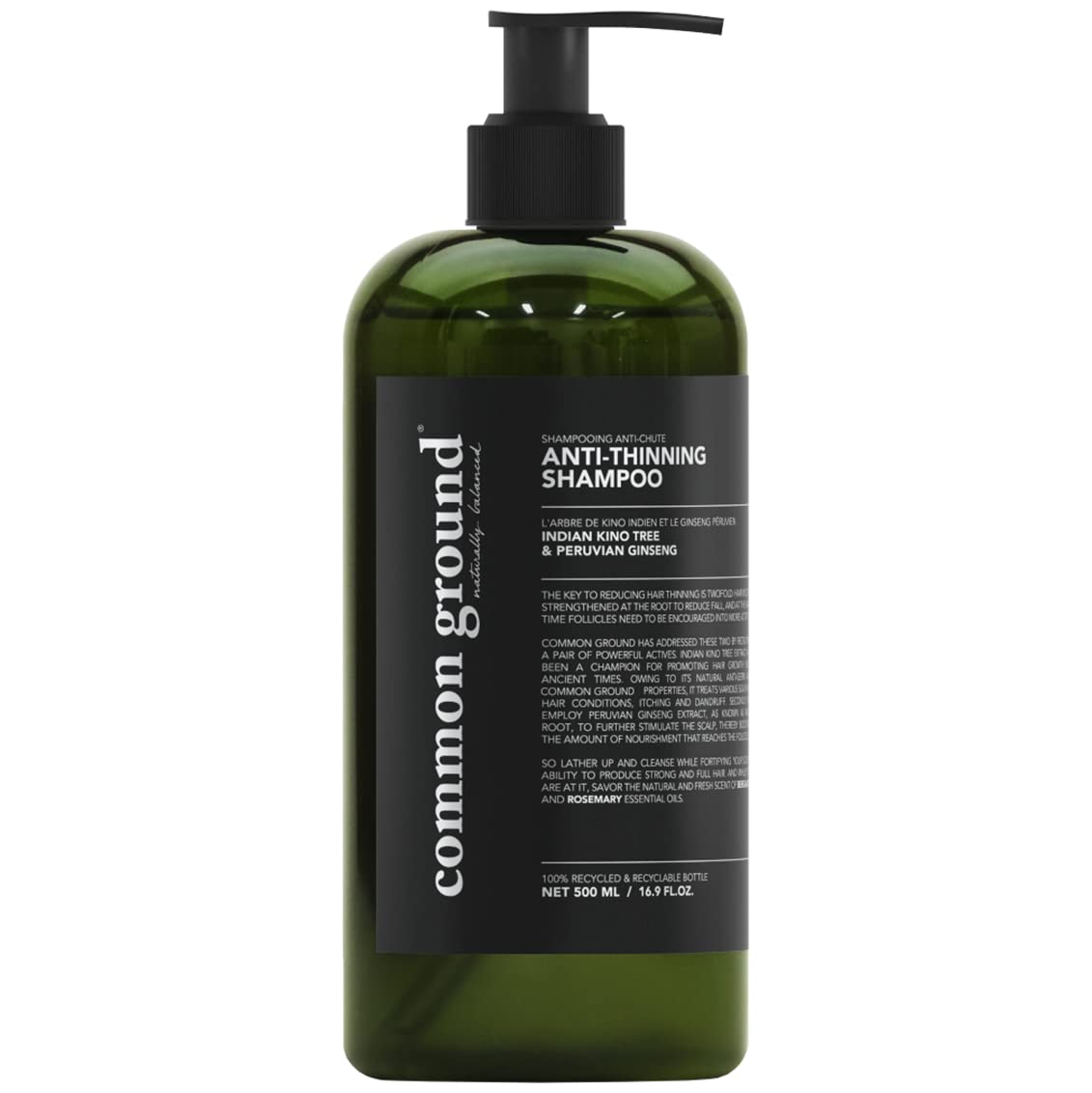
Common Ground Natural Anti-Thinning Shampoo (pH 5.5)
Common Ground
Plant-based anti‑thinning shampoo that explicitly lists pH 5.5 — a clear cue for scalp‑friendly acidity combined with plant‑derived surfactants.
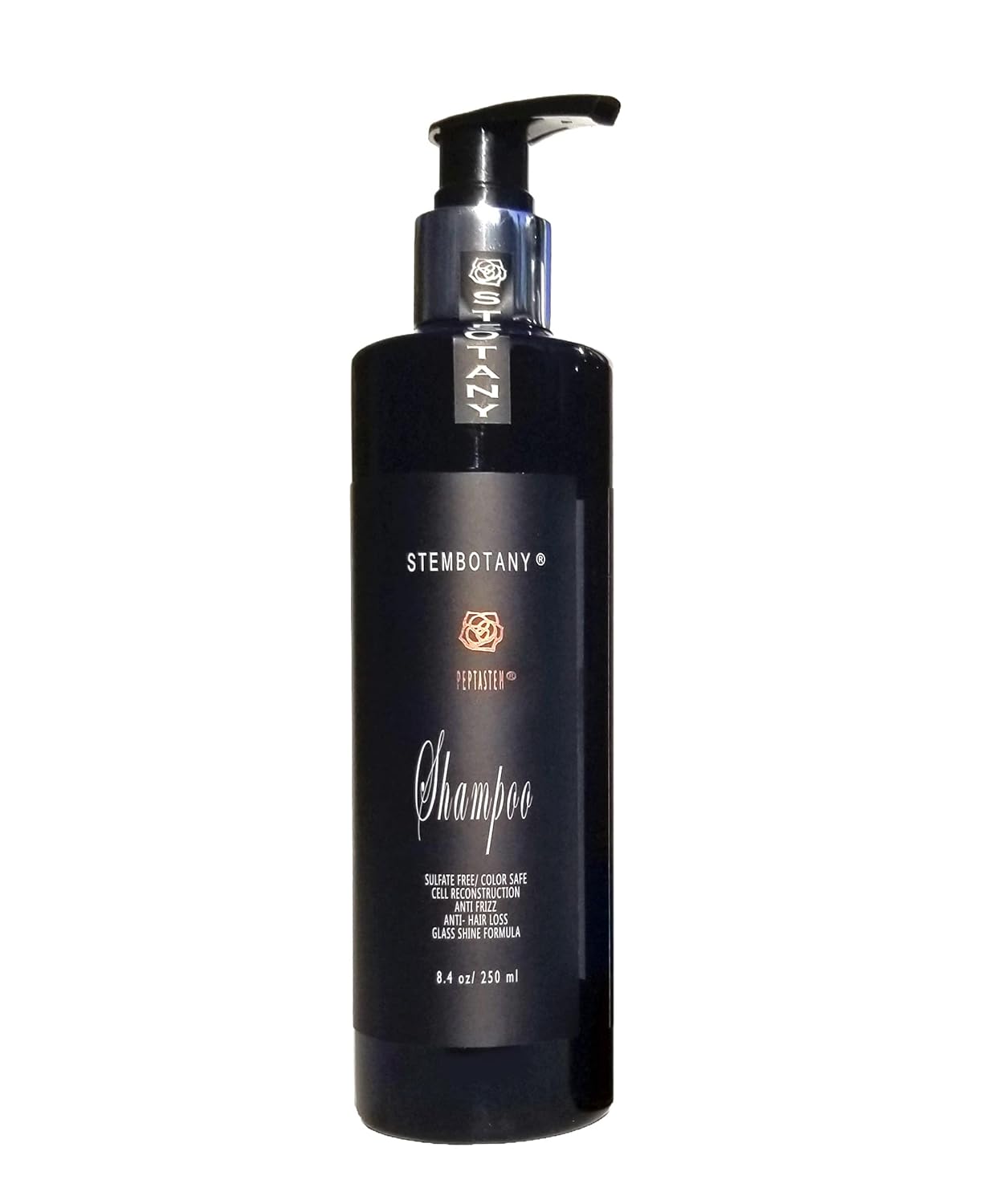
Stem Cell Shampoo for Fine and Thinning-Looking Hair
STEMBOTANY
A hair‑thinning focused shampoo that markets botanical 'stem cell' actives and is aimed at fine or thinning hair types.

OM Botanical Sulfate-Free Organic Shampoo
OM Botanical
Sulfate‑free organic shampoo aimed at ingredient‑conscious buyers; reduces strong detergents that can disrupt the scalp environment.
Buying Notes
Prioritize shampoos that state pH or are marketed for sensitive scalps, avoid strong sulfates if your scalp is reactive, look for 'prebiotic/postbiotic/probiotic' claims as marketing cues (not proof), prefer preservatives listed above or formulations labeled low‑irritant, and patch test if you use essential oils or fragrances.
Natural Shampoo - Probiotic Shampoo for Sensitive Scalp: pros and cons
Pros
- Explicit probiotic positioning aimed at sensitive scalps
- Marketed for balanced pH and gentle care
- Good starting option for microbiome‑focused shoppers
Cons
- Topical probiotic claims remain preliminary in effectiveness
- May not include dedicated anti‑thinning actives beyond cleansing/support
Marketed as a probiotic shampoo for sensitive scalps and balanced pH — positioned for users who want microbiome cues plus gentle cleansing.
Natural Shampoo - Probiotic Shampoo for Sensitive Scalp: score breakdown
Common Ground Natural Anti-Thinning Shampoo (pH 5.5): pros and cons
Pros
- Explicit pH 5.5 — strong formulation cue
- Plant‑based surfactants and anti‑thinning marketing
- Balanced option for combination of sensitivity and thinning concerns
Cons
- Contains aromatic botanicals (bergamot/rosemary) that can irritate reactive scalps
- Plant‑based doesn't equal non‑irritating for everyone
Plant-based anti‑thinning shampoo that explicitly lists pH 5.5 — a clear cue for scalp‑friendly acidity combined with plant‑derived surfactants.
Common Ground Natural Anti-Thinning Shampoo (pH 5.5): score breakdown
Stem Cell Shampoo for Fine and Thinning-Looking Hair: pros and cons
Pros
- Formulated specifically for fine and thinning‑looking hair
- Cosmetic thickening and targeted marketing
Cons
- ‘Stem cell’ claims are largely marketing; look for ingredient details
- Less emphasis on explicit microbiome cues like pH or pre/postbiotics
A hair‑thinning focused shampoo that markets botanical 'stem cell' actives and is aimed at fine or thinning hair types.
Stem Cell Shampoo for Fine and Thinning-Looking Hair: score breakdown
OM Botanical Sulfate-Free Organic Shampoo: pros and cons
Pros
- Sulfate‑free and organic positioning reduces harsh surfactants
- Good choice for those avoiding sodium lauryl sulfate
Cons
- Organic essential oils and botanicals can still irritate sensitive scalps
- Not explicitly marketed for pH control or microbiome modulation
Sulfate‑free organic shampoo aimed at ingredient‑conscious buyers; reduces strong detergents that can disrupt the scalp environment.
OM Botanical Sulfate-Free Organic Shampoo: score breakdown
Frequently Asked Questions
Do 'probiotic' shampoos actually change the scalp microbiome?
Topical 'probiotic' claims are preliminary. Look for prebiotic/postbiotic ingredients and gentle formulations; they may support scalp ecology more safely than harsh detergents, but expect modest effects.
How important is shampoo pH for the scalp?
Scalp skin prefers an acidic pH (≈4.5–5.5). Shampoos in that range help keep the barrier and resident microbes balanced; neutral or alkaline cleansers can be more disruptive.
Which preservatives are considered lower‑irritant?
Common lower‑irritant options include sodium benzoate, potassium sorbate, caprylyl glycol, and ethylhexylglycerin. No preservative is zero‑risk; patch test if you’re reactive.
Can I use these shampoos with topical hair treatments (minoxidil, etc.)?
Generally yes, but avoid overlapping irritating ingredients. If you use a topical treatment, patch test a new shampoo and check with your provider if concerned.
How should I patch test a shampoo?
Apply a small amount to a clean area behind the ear or inner forearm for 48 hours. Look for redness, itching, or burning before regular use.