What You Need To Know
After PRP or FUE hair transplantation, the priority is protecting newly placed grafts and keeping the scalp healthy while you heal. Many patients want a topical serum that won’t irritate or conflict with their surgeon’s aftercare. Below are five validated, commonly recommended serums arranged by editorial rank. They focus on soothing, non-greasy formulations and ingredients that support a healthy scalp environment without overstimulating or overloading healing tissue.
Rene Furterer Triphasic Reactional Concentrated Serum
Rene Furterer Triphasic Reactional Concentrated Serum stood out for sensitive or reactive scalps that need a calming, non‑greasy formula. and balanced scoring across the most useful buying criteria.
View Deal On Amazon
Best serums to use after PRP or FUE hair transplant procedures
These five serums range from ultra‑soothing to targeted densifying formulas. Rene Furterer is best for reactive or sensitive scalps; Foundation Skincare and divi offer budget‑friendly, user‑friendly options (divi has clinical testing on its label); Philip Kingsley provides a trichologist‑backed dropper format for targeted application; ROOTIST is the densifying option if you want a fuller‑looking finish but may feel heavier. All are suitable choices when used according to your surgeon’s guidance.
Rene Furterer Triphasic Reactional Concentrated Serum
Rene Furterer
Lightweight, soothing serum designed for reactive or thinning scalps; good first choice for sensitive post‑op scalps when cleared by your surgeon.

Foundation Skincare Serum for Thinning Hair
Foundation Skincare
Affordable, lightweight serum aimed at thinning hair; straightforward formula that’s easy to introduce once your surgeon clears topical products.

Divi Scalp Serum for Thinning Hair Clinically Tested
divi
Marketed as clinically tested and formulated for thinning hair; a gentle option labeled for efficacy with a straightforward application routine.
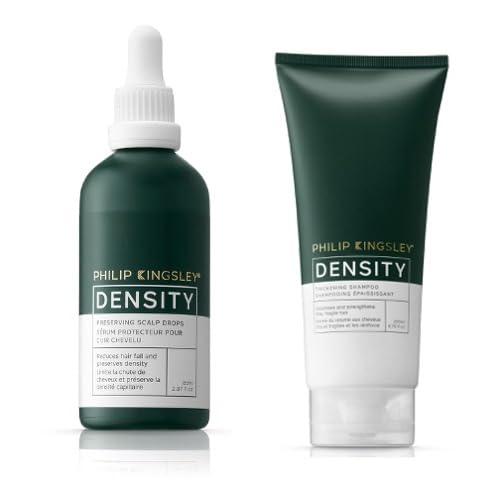
PHILIP KINGSLEY Density Preserving Scalp Drops (Serum)
Philip Kingsley
Trichologist‑backed scalp drops in a dropper format for targeted application; useful for carefully applying product to donor or non‑grafted areas when cleared.

Densifying & Thickening Serum for Thinning Hair, 1oz
ROOTIST
A densifying serum marketed to improve the look of thickness; a good choice for long‑term density goals after the healing window has passed.
Buying Notes
What to look for post‑procedure: - Wait for the green light from your surgeon. Typical practice is to avoid topical serums until grafts are secure (often around 7–14 days), but follow your provider’s timeline. - Prioritize non‑irritating formulas: alcohol‑free, low or no fragrance, no strong acids or exfoliants. - Avoid aggressive massage of the recipient area; apply gently (pat or light dropper application) unless instructed otherwise. - Skip products with active prescription actives (e.g., start minoxidil only when cleared) and check compatibility with any topical antibiotics or antiseptics you’re using. - Patch test a small area away from grafts before full use. - If you have a sensitive or reactive scalp, choose soothing/anti‑inflammatory ingredients and simpler ingredient lists.
Rene Furterer Triphasic Reactional Concentrated Serum: pros and cons
Pros
- Lightweight, fast‑absorbing texture
- Formulated for sensitive or reactive scalps
- Feels soothing and non‑oily on application
Cons
- Contains fragrance/essential oils that can irritate very sensitive skin—patch test first
- Moderately priced
Lightweight, soothing serum designed for reactive or thinning scalps; good first choice for sensitive post‑op scalps when cleared by your surgeon.
Rene Furterer Triphasic Reactional Concentrated Serum: score breakdown
Foundation Skincare Serum for Thinning Hair: pros and cons
Pros
- Budget-friendly
- Non‑greasy, easy to layer with other products after healing
- Simple application
Cons
- Less targeted soothing action than some higher‑end options
- May require longer consistent use for visible changes
Affordable, lightweight serum aimed at thinning hair; straightforward formula that’s easy to introduce once your surgeon clears topical products.
Foundation Skincare Serum for Thinning Hair: score breakdown
Divi Scalp Serum for Thinning Hair Clinically Tested: pros and cons
Pros
- Clinically tested claim on label
- Gentle feel suitable for post‑op maintenance
- Affordable
Cons
- Availability can vary
- Clinical claims may not reflect individual results
Marketed as clinically tested and formulated for thinning hair; a gentle option labeled for efficacy with a straightforward application routine.
Divi Scalp Serum for Thinning Hair Clinically Tested: score breakdown
PHILIP KINGSLEY Density Preserving Scalp Drops (Serum): pros and cons
Pros
- Trusted trichology brand
- Dropper allows precise placement away from vulnerable grafts
- Lightweight, non‑oily texture
Cons
- Price fluctuates—check current listing
- Not specifically formulated for immediate post‑op use (follow surgeon guidance)
Trichologist‑backed scalp drops in a dropper format for targeted application; useful for carefully applying product to donor or non‑grafted areas when cleared.
PHILIP KINGSLEY Density Preserving Scalp Drops (Serum): score breakdown
Densifying & Thickening Serum for Thinning Hair, 1oz: pros and cons
Pros
- Formulated to improve appearance of density
- Quality packaging and feel
- Good for post‑healing maintenance
Cons
- Heavier texture—may feel occlusive on very fresh grafts
- Pricier than some alternatives
A densifying serum marketed to improve the look of thickness; a good choice for long‑term density goals after the healing window has passed.
Densifying & Thickening Serum for Thinning Hair, 1oz: score breakdown
Frequently Asked Questions
When can I start using a serum after PRP or FUE?
Follow your surgeon’s instructions—many clinicians advise waiting until grafts are secure and scabs have mostly cleared (commonly 7–14 days), but timing varies by case.
Which ingredients should I avoid early after a transplant?
Avoid alcohol, strong fragrances, exfoliating acids (AHA/BHA), and any prescription actives like minoxidil until your surgeon clears them.
How should I apply a serum to a healing scalp?
Use clean hands, apply a few drops to non‑grafted areas first or as directed, and pat gently—do not rub or vigorously massage the recipient sites.
Can serums interfere with PRP?
Don’t apply topical serums immediately before or after PRP sessions without asking your provider. Follow the timing guidance from whoever performed your PRP.
Do I need to patch test?
Yes—patch test on an unaffected area and wait 24–48 hours to check for irritation before using near grafts.