What You Need To Know
Hair-building fibers are a cosmetic way to improve the look of thinning or damaged hair. The base material—keratin (protein-based) or plant-derived cellulose—affects how fibers sit on hair, how well they stick, and how natural they look. This guide explains the practical differences for fragile or damaged hair and evaluates four popular fiber products.
Super Million Hair Building Fibers
Super Million Hair Building Fibers stood out for realism and strong coverage on exposed thinning zones. and balanced scoring across the most useful buying criteria.
View Deal On Amazon
Keratin-based fibers vs plant-based fibers: which is better for damaged hair?
Keratin fibers generally mimic human hair structure and can offer superior realism and adhesion on existing shafts; they may contain animal-derived protein and can feel slightly heavier. Plant-derived fibers (cellulose, rayon, cotton variants) are often lighter, may be better for sensitive scalps or vegans, and can still deliver good coverage but may require different sprays or application technique to match realism. For damaged hair, avoid rubbing or aggressive application and prioritize a product that bonds with minimal friction.
Super Million Hair Building Fibers
Super Million Hair
A long-standing option known for dense coverage and a natural matte finish. Strong adhesion and lifelike texture that works well for visible thinning areas.

Revivogen MD Keratin Hair Building Fibers
Revivogen MD
Marketed specifically as a keratin fiber product. Tends to blend well with natural hair shafts and is a cost-effective option for people seeking a protein-based fiber.

BOLDIFY Hair Fibers (2 x 56g) - Fill In Thinning and Fine ...
BOLDIFY
A large two-pack aimed at people who use fibers frequently. Strong value-per-gram and consistent color options for repeated use.
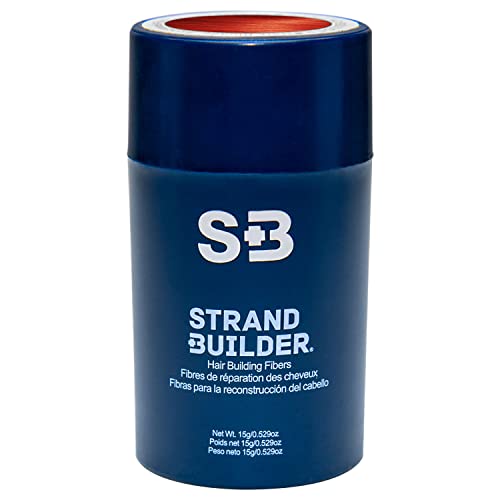
Strand Builder Hair Fibers for Thinning Hair and Hair Loss ...
Strand Builder
A budget-friendly option that gives decent coverage for modest thinning and is straightforward to apply for occasional users.
Buying Notes
Choose by scalp sensitivity, desired realism, and how you'll use the product. If you want the most hair-like look and your scalp tolerates protein-based topicals, keratin fibers often blend more naturally. If you have irritation or prefer plant-derived ingredients, cellulose/plant fibers can be gentler and still give good coverage. Test a small amount on your scalp first, match color in daylight, and use a light holding spray rather than packing on more fibers. Remove fibers gently with shampoo — they are cosmetic, not treatments.
Super Million Hair Building Fibers: pros and cons
Pros
- High coverage and realistic matte finish
- Good adhesion and longevity with light holding spray
- Wide shade range for color matching
Cons
- Priced mid-range
- May require a compatible holding spray for best durability
- Can feel slightly heavy if over-applied
A long-standing option known for dense coverage and a natural matte finish. Strong adhesion and lifelike texture that works well for visible thinning areas.
Super Million Hair Building Fibers: score breakdown
Revivogen MD Keratin Hair Building Fibers: pros and cons
Pros
- Clearly labeled keratin formula
- Affordable price
- Good blend with existing hair texture
Cons
- Smaller package size compared with bulk options
- May not suit vegans or those avoiding animal-derived ingredients
Marketed specifically as a keratin fiber product. Tends to blend well with natural hair shafts and is a cost-effective option for people seeking a protein-based fiber.
Revivogen MD Keratin Hair Building Fibers: score breakdown
BOLDIFY Hair Fibers (2 x 56g) - Fill In Thinning and Fine ...: pros and cons
Pros
- Generous quantity in a two-pack
- Consistent performance for repeated use
- Good range of shades
Cons
- Higher upfront cost (bundle price)
- May require careful application to avoid buildup
A large two-pack aimed at people who use fibers frequently. Strong value-per-gram and consistent color options for repeated use.
BOLDIFY Hair Fibers (2 x 56g) - Fill In Thinning and Fine ...: score breakdown
Strand Builder Hair Fibers for Thinning Hair and Hair Loss ...: pros and cons
Pros
- Affordable and easy to use
- Good for quick touch-ups
- Lightweight feel when applied conservatively
Cons
- Less dense coverage compared with top-tier options
- May need more frequent reapplication in humidity or wind
A budget-friendly option that gives decent coverage for modest thinning and is straightforward to apply for occasional users.
Strand Builder Hair Fibers for Thinning Hair and Hair Loss ...: score breakdown
Frequently Asked Questions
Will fibers damage already fragile hair?
No—fibers are cosmetic and sit on top of hair. Damage risk comes from rough application or removal. Apply gently and wash with a mild shampoo.
Do keratin fibers work better than plant fibers?
Keratin fibers usually look more hair-like and cling well to existing shafts, but plant fibers can be a better option if you need a lighter, vegan-friendly formula or have scalp sensitivity.
How do I make fibers stay in wind or sweat?
Use a compatible fiber-holding spray (applied lightly) and avoid overloading fibers. Products vary in hold—test before long outings.
Can I use fibers on chemically damaged or colored hair?
Yes, but match color carefully and avoid vigorous rubbing. If your scalp is inflamed or broken, wait until healed before use.
How do I test for irritation?
Apply a small amount behind the ear or on a small scalp patch, leave for 24 hours, and check for redness or itching.