What You Need To Know
When a child has thinning hair, parents want safe, simple camouflage options without heavy chemicals or skin irritation. This guide focuses on gentle, low‑chemical choices and practical rules-of-thumb for supervised use. It’s cosmetic only—short-term, reversible coverage—and always worth testing first on a small skin patch.
Caboki All-Natural, Plant-Based Hair Building Fiber
Caboki All-Natural, Plant-Based Hair Building Fiber stood out for gentle daily camouflage for children and parents seeking low‑chemical options. and balanced scoring across the most useful buying criteria.
View Deal On Amazon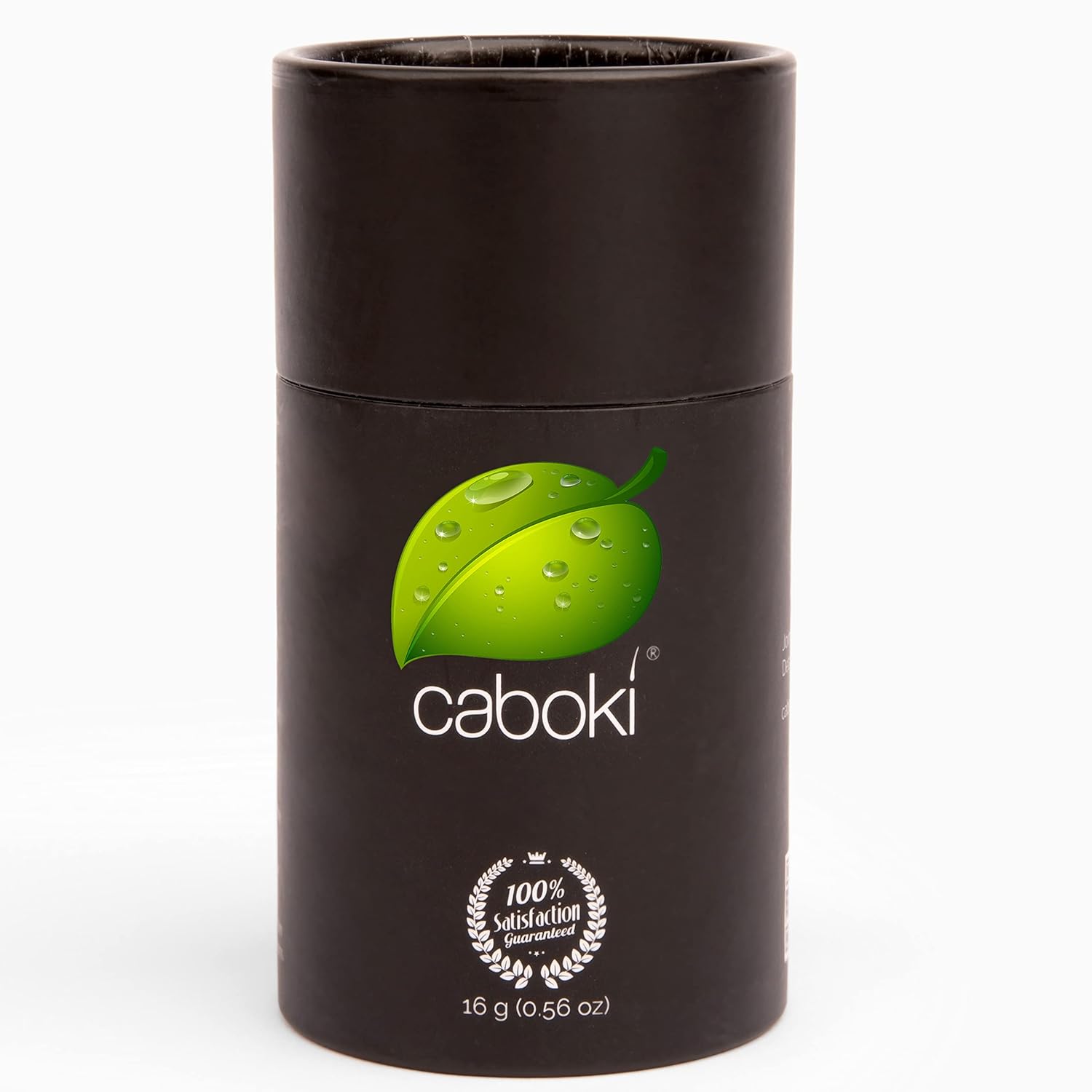
Child-safe hair fibers and alternatives for juvenile thinning
Caboki tops the list for plant‑based, low‑chemical daily camouflaging and budget value. BOLDIFY gives denser coverage and more product per purchase—better for events but higher cost and stronger adhesion. Herbishh Koloret is a targeted touch‑up option in a precise black shade—good for small areas but check ingredient lists and color availability. H3 is a premium, high‑coverage product that may use stronger binders and is the priciest; use cautiously on sensitive scalps.
Caboki All-Natural, Plant-Based Hair Building Fiber
Caboki
Plant-based fibers marketed as an all‑natural concealer; fine texture, low scent and formulated for gentle, everyday camouflage. Good first choice for sensitive scalps when used under supervision.

BOLDIFY Hair Fibers (2 x 56g) - Fill In Thinning and Fine Hair
BOLDIFY
Larger double pack that gives strong, dense coverage—useful for events or longer wear. More product and color options, but higher cost and stronger adhesion than plant‑based light formulas.

Herbishh Koloret Hair Building Fibers – Black Powder
Herbishh Koloret
Fine black powder marketed for root touch‑ups and small area concealment. Useful for targeted spots but verify color match and ingredient list before use on children.
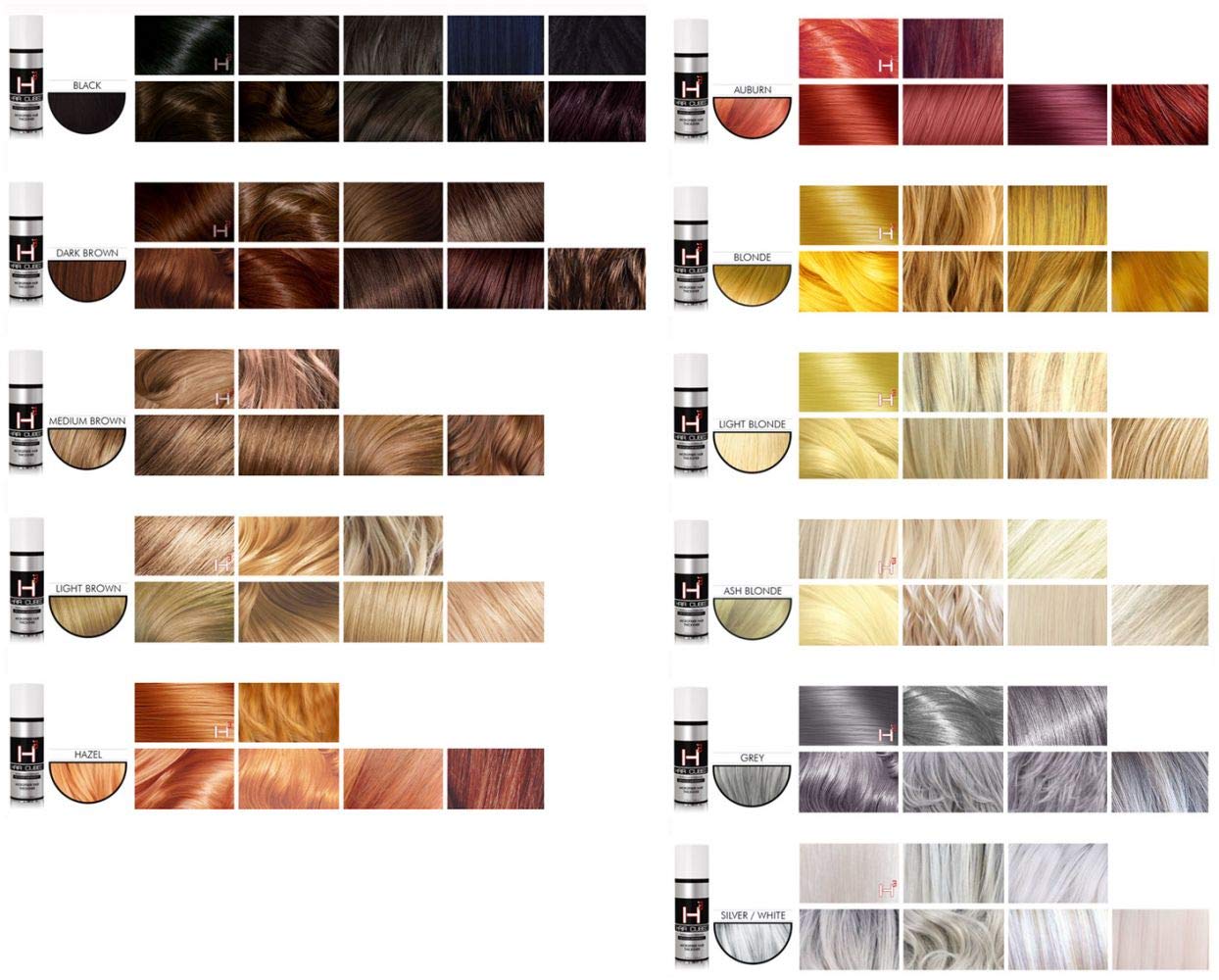
H3 Hair Fibers Hair Micro Fibers for Thinning Hair
H3
Premium microfibers that deliver dense, long‑lasting coverage. Best for heavy concealment needs but is the most expensive option and may contain stronger binding ingredients—use cautiously on delicate scalps.
Buying Notes
Choose fibers with the fewest added chemicals, unscented or low‑scent formulas, and easily washable ingredients. Look for fine texture (less pull on fragile hair), a close color match, and small trial sizes. Do a patch test behind the ear, apply under supervision, avoid use on broken skin, and wash the child’s scalp after events. If the child has a known scalp condition or sudden hair loss, consult your pediatrician before cosmetic use.
Caboki All-Natural, Plant-Based Hair Building Fiber: pros and cons
Pros
- Plant-based fibers (low‑chemical formulation)
- Fine texture blends well with fine hair
- Lower price point for trial use
- Easier to wash out than heavier adhesives
Cons
- Color range may be limited for exact matches
- Not a treatment—cosmetic coverage only
Plant-based fibers marketed as an all‑natural concealer; fine texture, low scent and formulated for gentle, everyday camouflage. Good first choice for sensitive scalps when used under supervision.
Caboki All-Natural, Plant-Based Hair Building Fiber: score breakdown
BOLDIFY Hair Fibers (2 x 56g) - Fill In Thinning and Fine Hair: pros and cons
Pros
- Generous quantity—good for repeated use
- Strong coverage and multiple colors
- Works well for larger thinning areas
Cons
- Higher price
- May adhere more strongly—requires thorough washing
- Use caution on very sensitive skin
Larger double pack that gives strong, dense coverage—useful for events or longer wear. More product and color options, but higher cost and stronger adhesion than plant‑based light formulas.
BOLDIFY Hair Fibers (2 x 56g) - Fill In Thinning and Fine Hair: score breakdown
Herbishh Koloret Hair Building Fibers – Black Powder: pros and cons
Pros
- Fine texture for precision blending
- Good for small, targeted areas
Cons
- Single color (black) may not match all hair shades
- Manufacturer ingredient details should be checked for sensitivities
Fine black powder marketed for root touch‑ups and small area concealment. Useful for targeted spots but verify color match and ingredient list before use on children.
Herbishh Koloret Hair Building Fibers – Black Powder: score breakdown
H3 Hair Fibers Hair Micro Fibers for Thinning Hair: pros and cons
Pros
- Very strong coverage and dense blend
- Performs well for larger thinning areas
Cons
- Highest price of the group
- May contain stronger binders—higher irritation risk for some children
- Heavier feel on fine hair
Premium microfibers that deliver dense, long‑lasting coverage. Best for heavy concealment needs but is the most expensive option and may contain stronger binding ingredients—use cautiously on delicate scalps.
H3 Hair Fibers Hair Micro Fibers for Thinning Hair: score breakdown
Frequently Asked Questions
Are hair fibers safe for children?
Many fibers can be used short‑term with parental supervision, but always patch‑test, avoid broken skin, and check ingredient lists. If you’re unsure, consult your pediatrician.
How do I test a fiber for sensitivity?
Apply a small amount behind the ear or on inner forearm, wait 24 hours, and look for redness, itching or swelling before using on the scalp.
How do I apply fibers safely to a child?
Work in a well‑ventilated area, use small amounts, hold the applicator a short distance away to avoid inhalation, and keep the product out of the child’s eyes and mouth.
How do I remove fibers?
Most fibers wash out with gentle shampoo and warm water; avoid vigorous scrubbing if the scalp is tender.
When should I see a doctor instead of using fibers?
See a pediatrician for sudden hair loss, scalp sores, persistent itching, or if the child has a diagnosed scalp condition before using cosmetic products.