What You Need To Know
If sustainability matters in your grooming choices, fiber ingredient and packaging matter too. This short guide compares three validated market options (plant-based, keratin and mainstream fibers), explains likely environmental trade-offs, and summarizes what performance compromises are realistic to expect.
Caboki Hair Fibers for Thinning Hair – Natural Plant
Caboki Hair Fibers for Thinning Hair – Natural Plant stood out for buyers prioritizing plant-based ingredients and a natural finish who are willing to pay a premium. and balanced scoring across the most useful buying criteria.
View Deal On Amazon
Biodegradable and eco-friendly hair fibers: sustainable picks and trade-offs
Caboki (plant-marketed) is the best eco-minded option here but costs more and may require touch-ups. THICK FIBER delivers strong hold and value but leans toward conventional fibers with lower eco scores. CONFIERR uses keratin (protein-based), which can be biodegradable but involves animal-derived material and typically strikes a middle ground between performance and sustainability.
Caboki Hair Fibers for Thinning Hair – Natural Plant
Caboki
Marketed as plant-derived hair fibers aimed at natural-looking coverage with an emphasis on botanical ingredients.

THICK FIBER Hair Fibers for Thinning Hair & Bald spots
THICK FIBER
A mainstream, value-focused fiber product that prioritizes coverage and hold, with a competitive price point.
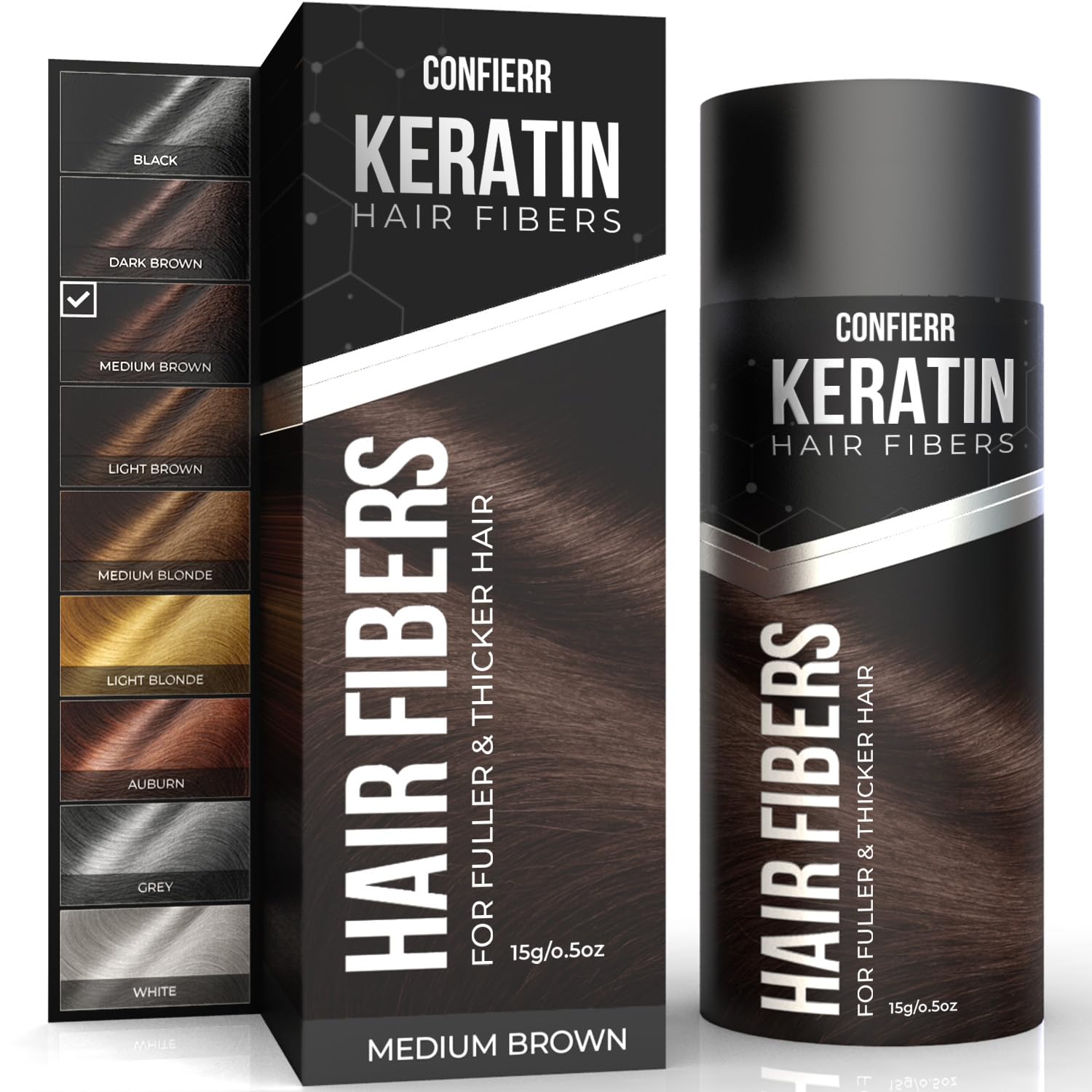
CONFIERR Keratin Hair Fibers for Men & Women
CONFIERR
Keratin-based fibers that use protein (keratin) as the concealing material — positioned between natural and synthetic options.
Buying Notes
Prioritize ingredient transparency (listed fiber source), look for recyclable or minimal packaging, and accept one of three typical trade-offs: slightly higher price (plant-based), animal-derived sourcing (keratin), or better hold/coverage but lower biodegradability (synthetic-based). If you need longer-lasting hold in wind/rain, expect synthetic blends to perform better; if biodegradability is non-negotiable, choose plant-derived and confirm packaging disposal options.
Caboki Hair Fibers for Thinning Hair – Natural Plant: pros and cons
Pros
- Marketed as plant-derived fibers (appeal to eco-minded buyers)
- Natural-looking coverage
- Well-known brand with multiple shades
Cons
- Higher price per container
- May require touch-ups or a setting spray for strong hold
- 'Natural' wording doesn’t guarantee fully compostable packaging — verify label
Marketed as plant-derived hair fibers aimed at natural-looking coverage with an emphasis on botanical ingredients.
Caboki Hair Fibers for Thinning Hair – Natural Plant: score breakdown
THICK FIBER Hair Fibers for Thinning Hair & Bald spots: pros and cons
Pros
- Good coverage and hold for daily wear
- Lower price than many specialty 'natural' options
- Available in multiple shades
Cons
- Likely made from conventional (less-biodegradable) fiber materials — check label
- Less emphasis on ingredient transparency or eco-packaging
A mainstream, value-focused fiber product that prioritizes coverage and hold, with a competitive price point.
THICK FIBER Hair Fibers for Thinning Hair & Bald spots: score breakdown
CONFIERR Keratin Hair Fibers for Men & Women: pros and cons
Pros
- Keratin fibers can offer a natural texture and appearance
- Affordable price
- Typically biodegradable as a protein material (verify sourcing)
Cons
- Keratin is animal-derived—consider sourcing ethics if that matters
- Performance and eco impacts depend on processing; check brand transparency
Keratin-based fibers that use protein (keratin) as the concealing material — positioned between natural and synthetic options.
CONFIERR Keratin Hair Fibers for Men & Women: score breakdown
Frequently Asked Questions
Are plant-based hair fibers really biodegradable?
Plant-based fibers are more likely to break down than petrochemical synthetics, but check the brand's ingredient breakdown and your local composting rules before assuming full biodegradability.
Is keratin a sustainable choice?
Keratin is protein-based and can be biodegradable, but it’s animal-derived—evaluate the brand's sourcing practices if animal welfare or supply chain transparency matters to you.
Will eco-friendlier fibers hold as well as conventional ones?
Often there’s a trade-off: biodegradable or plant-marketed fibers can match appearance but may need more frequent touch-ups or a compatible spray for equally strong hold.
How can I reduce packaging waste with hair fibers?
Buy larger refill sizes if available, reuse storage containers, and choose brands that publish recyclable or minimal packaging details.