What You Need To Know
Microcurrent therapy is being used at home to support scalp health. Early and limited studies plus lab data suggest microcurrent can increase cellular ATP, improve microcirculation, and modulate inflammatory signalling in some settings — but it's not a guaranteed cure. This guide compares cordless home models (and a few related devices) with a practical lens: what current ranges and safety features to look for, the clinical context, and which models match those priorities.
Zemits Microcurrent Hair Therapy
Zemits Microcurrent Hair Therapy stood out for users wanting the most control over current settings and a pro-level device for targeted scalp treatments. and balanced scoring across the most useful buying criteria.
View Deal On Amazon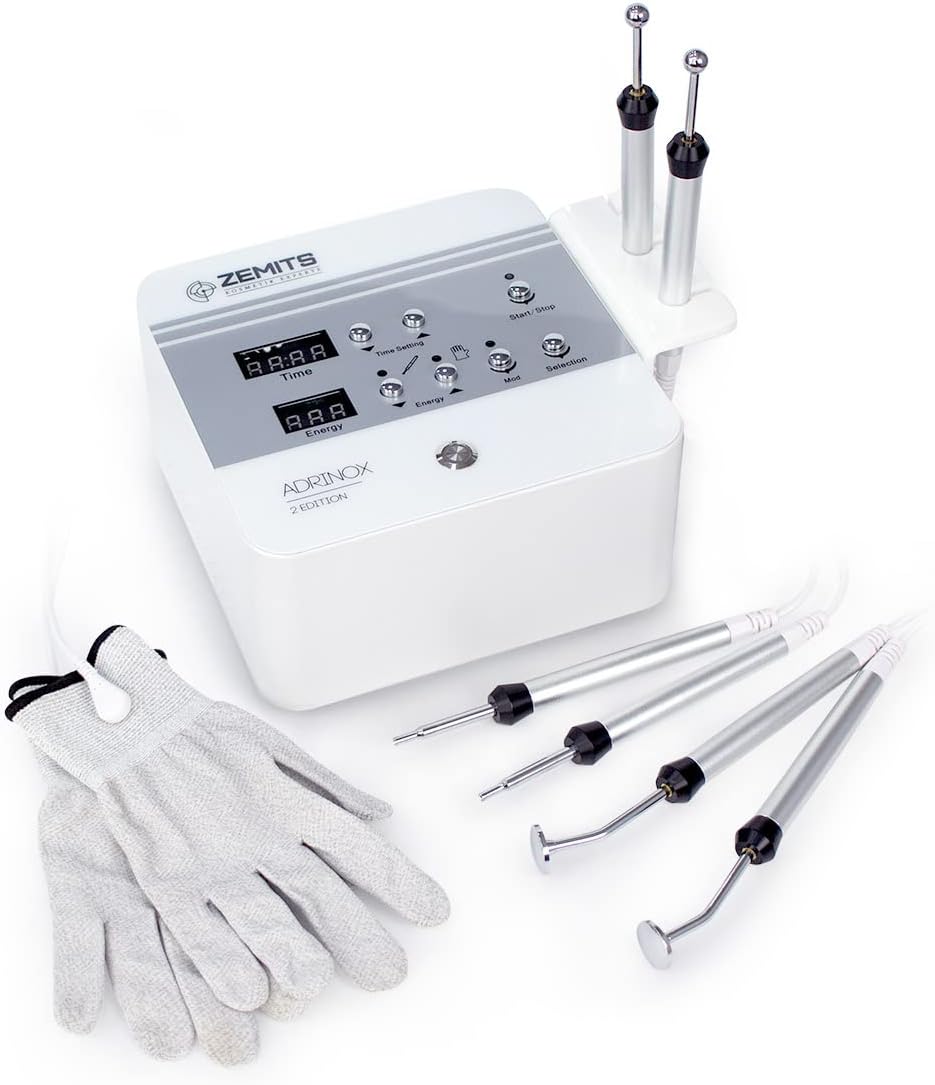
Cordless microcurrent devices to reduce inflammation-related shedding
Zemits is the most professional-feeling microcurrent option with clearer program controls and safety features. Tymo Beauty is an affordable consumer microcurrent-style device aimed at lymphatic/low-intensity use. The Laser Therapy Hair Growth Comb is a light/laser tool rather than microcurrent — useful for other mechanisms (photobiomodulation) but not a direct microcurrent anti-inflammatory device. The Ultimate Hair Therapy Set is a bundled, low-cost option with limited disclosed specs; verify current output and safety before use.
Zemits Microcurrent Hair Therapy
Zemits
Professional-style handheld microcurrent system with multiple programs and adjustable intensity geared toward salon and advanced home use. Best-known among the list for clearer program controls and higher-end build.
Microcurrent Therapy for Hair (site overview) — Tymo Beauty
Tymo Beauty
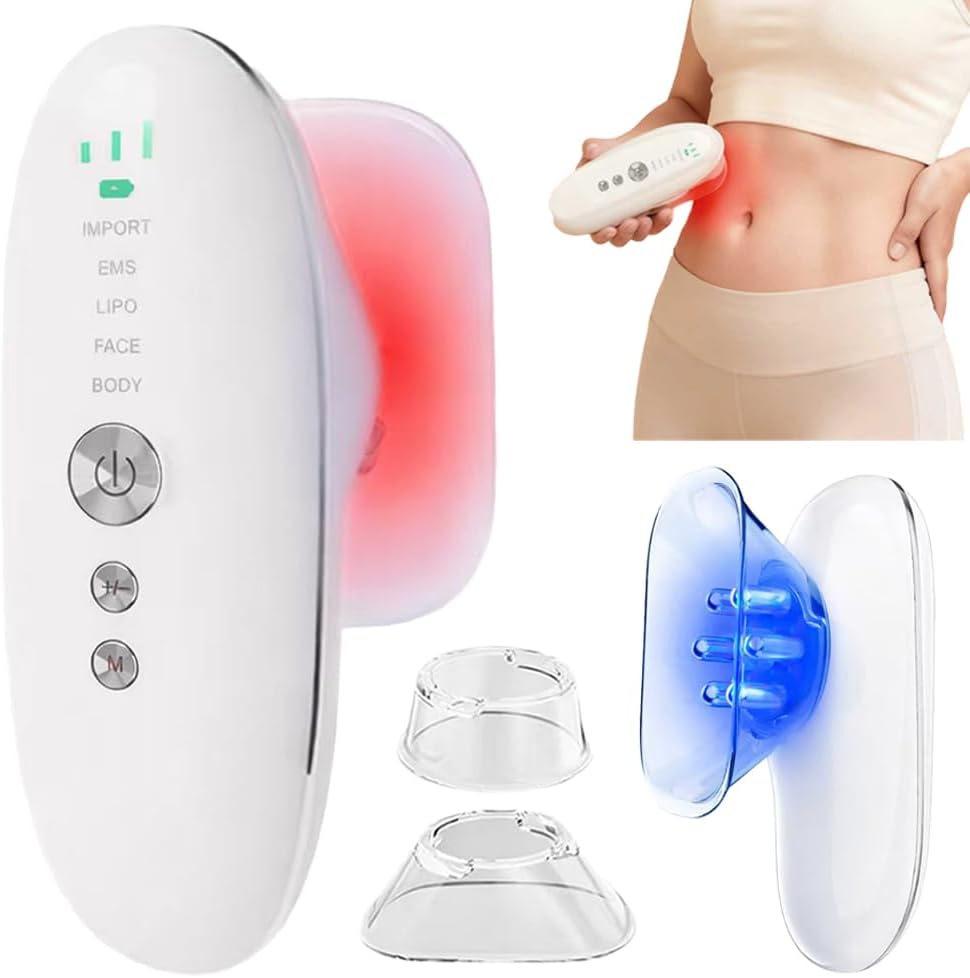
An affordable consumer microcurrent-style device marketed for lymphatic drainage and scalp stimulation. Lower-intensity, user-friendly design aimed at regular at-home use.
Laser Therapy Hair Growth Comb
A laser/LED comb-style device. This is a photobiomodulation tool rather than a microcurrent device; it operates through light therapy (red/near‑infrared) and may support circulation and cell metabolism by a different mechanism.

Ultimate Hair Therapy Set: Elite Hair Device + Max Hair Essentials
A bundled kit that includes an 'elite' device and accessory products. Price points and specs in the listing are unusually low; current output and program detail are not clearly disclosed, so treat with caution if your priority is controlled microcurrent therapy.
Buying Notes
Prioritize devices that list output current (µA or low mA), offer multiple intensity/program levels, and include built-in safety (auto shutoff, intensity lock or gradual ramp, hypoallergenic electrodes). For inflammation-focused use look for: low-intensity continuous or pulsed microcurrent modes, session timers, and clear specifications. Avoid devices that don’t disclose current output. If you have active scalp conditions or are on immunomodulating medication, check with your clinician before using.
Zemits Microcurrent Hair Therapy: pros and cons
Pros
- Multiple programs and adjustable intensity for customized sessions
- Professional-grade feel and build quality
- Clearer controls make it easier to manage low-current treatments
Cons
- Higher cost than simple consumer units
- May require learning curve to use protocols safely
- Not a medical device for hair loss treatment — check claims carefully
Professional-style handheld microcurrent system with multiple programs and adjustable intensity geared toward salon and advanced home use. Best-known among the list for clearer program controls and higher-end build.
Zemits Microcurrent Hair Therapy: score breakdown
Microcurrent Therapy for Hair (site overview) — Tymo Beauty: pros and cons
Pros
- Affordable and easy to handle
- Designed for gentle, lymphatic-style routines
- Cordless for convenient home use
Cons
- Lower-intensity output may limit measurable anti-inflammatory effect
- Specifications on exact current output are limited for full assessment
- Fewer program customization options
An affordable consumer microcurrent-style device marketed for lymphatic drainage and scalp stimulation. Lower-intensity, user-friendly design aimed at regular at-home use.
Microcurrent Therapy for Hair (site overview) — Tymo Beauty: score breakdown
Laser Therapy Hair Growth Comb: pros and cons
Pros
- Hands-free comb form factor
- Photobiomodulation may support cellular energy and circulation
- Often simple to use with set treatment times
Cons
- Not a microcurrent device — different mechanism
- Effect on inflammation-related shedding is indirect and evidence varies
- Comb format may not reach all scalp areas evenly
A laser/LED comb-style device. This is a photobiomodulation tool rather than a microcurrent device; it operates through light therapy (red/near‑infrared) and may support circulation and cell metabolism by a different mechanism.
Laser Therapy Hair Growth Comb: score breakdown
Ultimate Hair Therapy Set: Elite Hair Device + Max Hair Essentials: pros and cons
Pros
- Extremely low listed price
- Bundled accessories may appeal as a trial option
Cons
- Critical technical specs (current output, waveforms) are not clearly disclosed
- Unclear safety and program controls
- Low price may reflect limited quality or incomplete feature set
A bundled kit that includes an 'elite' device and accessory products. Price points and specs in the listing are unusually low; current output and program detail are not clearly disclosed, so treat with caution if your priority is controlled microcurrent therapy.
Ultimate Hair Therapy Set: Elite Hair Device + Max Hair Essentials: score breakdown
Frequently Asked Questions
How does microcurrent possibly reduce inflammation-related shedding?
Laboratory and small clinical studies suggest microcurrent can boost cellular energy (ATP), improve microcirculation, and modulate inflammatory signaling — which may help scalp recovery. Evidence is limited; results vary.
What current settings should I look for?
Look for low microamp (µA) outputs or low milliamp (mA) with fine intensity steps, programmable modes, and a gradual ramp. Devices that state output are preferable.
How long and how often do I use these devices?
Typical home protocols run 5–20 minutes per session, 2–5 times per week. Follow the device manual and stop if irritation occurs.
Are cordless devices safe on thinning scalps?
Many cordless devices have safety features like auto-off and intensity limits; avoid on broken skin, active infections, or if you have an implanted electrical device without medical clearance.
If a product doesn’t list current, should I buy it?
No—lack of output specs makes it hard to judge efficacy and safety. Prefer devices that disclose current, waveforms, or clinical data.