What You Need To Know
Protein strengthens hair but too much can make already-brittle, chemically damaged strands stiff and prone to breakage. If your hair feels hard, snaps easily after a protein treatment, or shedding increased after protein-rich products, prioritizing moisture and slip can restore elasticity and reduce breakage. This guide explains when to avoid protein, what to use instead, and how to bring protein back safely when your hair is ready.
SheaMoisture Jamaican Black Castor Oil Strengthen & Restore Conditioner (13 oz)
SheaMoisture Jamaican Black Castor Oil Strengthen & Restore Conditioner (13 oz) stood out for thick, coarse, very dry or chemically treated hair needing deep hydration and slip. and balanced scoring across the most useful buying criteria.
View Deal On Amazon
Protein-free conditioners for brittle, over-processed hair prone to shedding
All five picks emphasize moisture, slip, and detangling—qualities you want while avoiding protein overload. SheaMoisture (rank 1) is richer and better for coarse, highly textured hair; Aunt Jackie's (rank 2) focuses on intensive moisture and detangling; Shapiro MD (rank 3) markets scalp-friendly, ultra-moisturizing care; ArtNaturals (rank 4) gives lighter argan-based hydration and shine; Routine Wellness (rank 5) is a deeper anti‑thinning style treatment aimed at overall hair density support. Always verify ingredient panels if you need to avoid added proteins completely.
SheaMoisture Jamaican Black Castor Oil Strengthen & Restore Conditioner (13 oz)
SheaMoisture
Rich, restorative cream designed to moisturize, detangle, and shore up over-processed strands—favored by many who need heavy moisture and slip during recovery from chemical damage.
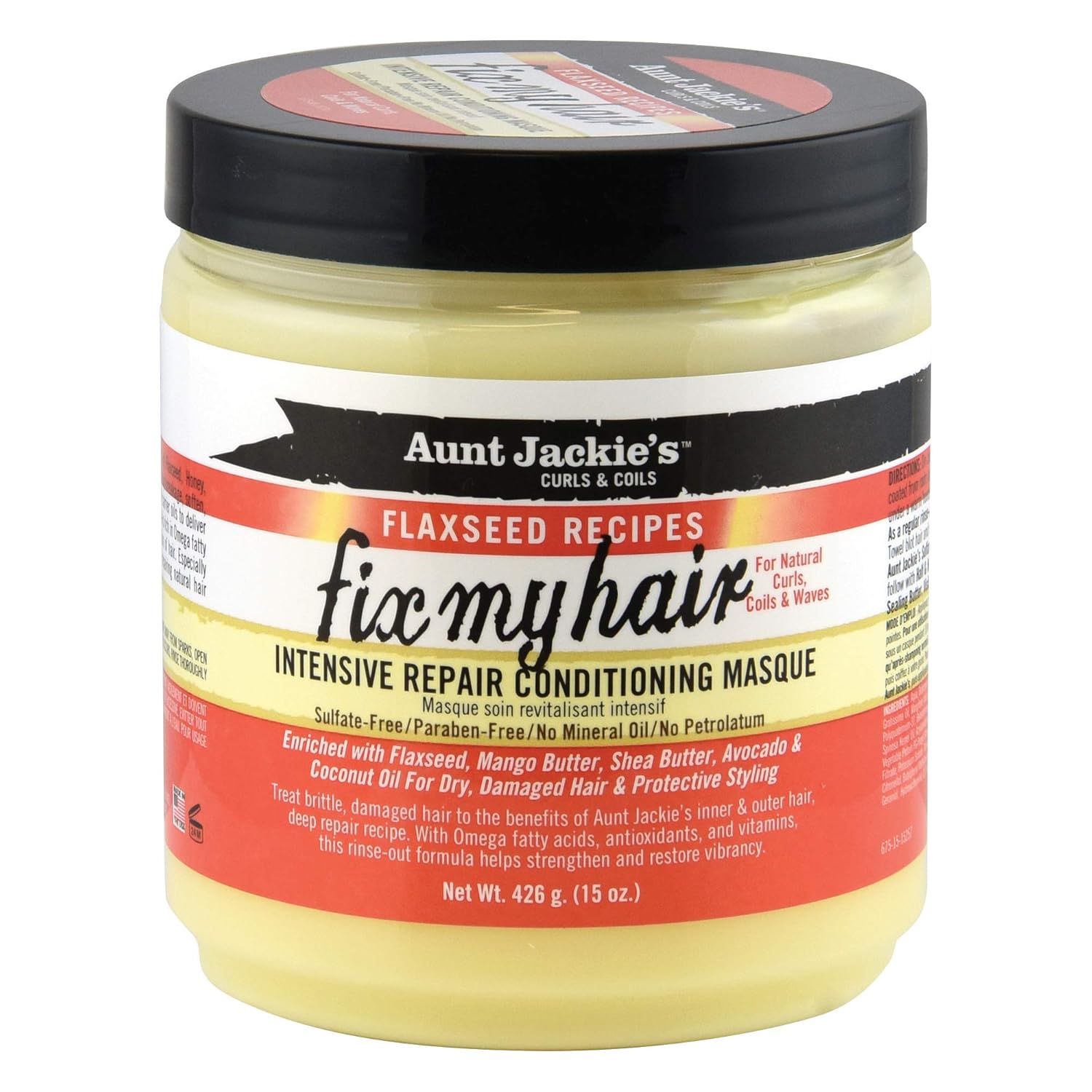
Fix My Hair! Intensive Repairing Conditioner (Flaxseed Recipes)
Aunt Jackie's
Creamy, slip-forward conditioner with flaxseed and humectant-rich feel that prioritizes detangling and moisture—useful while avoiding frequent protein use.

Hair Growth Experts Hair Loss Conditioner (Ultra Moisturizing)
Shapiro MD
Marketed as an ultra-moisturizing conditioner that supports scalp comfort and strand hydration; often chosen by people looking for richer hydration while addressing shedding concerns.

Argan Oil Conditioner (Organic Moroccan Argan Oil) — Conditioner from Shampoo & Conditioner Set
ArtNaturals
Lighter argan-oil based conditioner that adds shine and manageable softness—a good option when you want moisturizing results without heavy buildup.
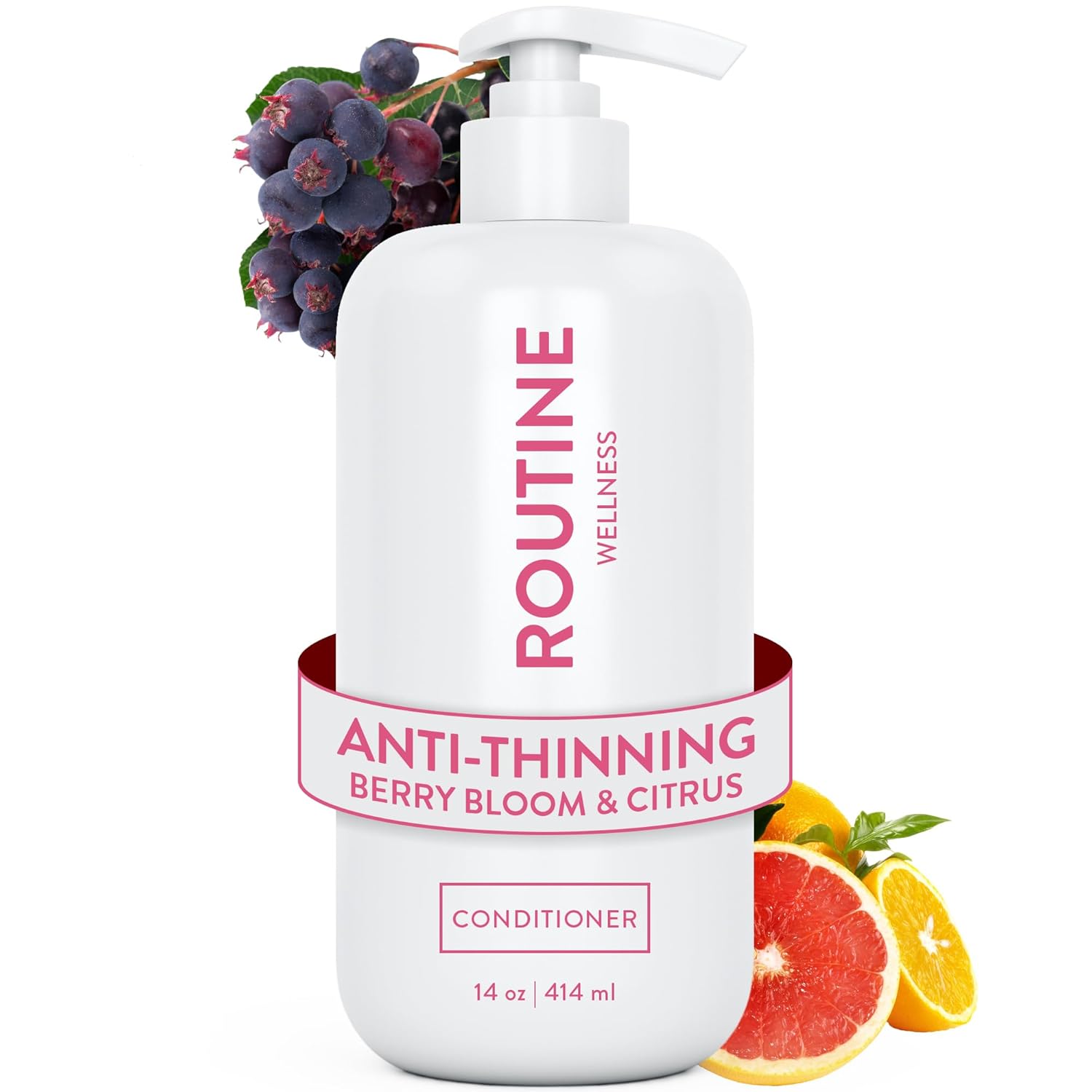
Anti-Thinning Deep Conditioner (Safe for All Hair Types)
Routine Wellness
A deep-conditioning option positioned to support hair-thinning routines while delivering concentrated moisture and improved manageability.
Buying Notes
Look for conditioners rich in humectants (glycerin, propanediol), emollients (butters, light oils), and cationic conditioning agents for slip and detangling. Avoid ingredients listed as hydrolyzed proteins, keratin, silk, collagen, wheat/soy/gluten proteins if you’re actively avoiding protein. If a product label isn’t explicit, do a patch/strand test: use the conditioner for 2–4 washes and watch for increased stiffness or breakage. For thinning-prone hair choose lighter formulas; for coarse, over-processed hair choose richer creams or masks.
SheaMoisture Jamaican Black Castor Oil Strengthen & Restore Conditioner (13 oz): pros and cons
Pros
- Very moisturizing and detangling
- Good slip for wet detangling
- Targets rough, brittle cuticles
Cons
- May feel heavy on fine hair
- Scent may be strong for some users
- Check label if you must avoid all added proteins
Rich, restorative cream designed to moisturize, detangle, and shore up over-processed strands—favored by many who need heavy moisture and slip during recovery from chemical damage.
SheaMoisture Jamaican Black Castor Oil Strengthen & Restore Conditioner (13 oz): score breakdown
Fix My Hair! Intensive Repairing Conditioner (Flaxseed Recipes): pros and cons
Pros
- Excellent slip for easier comb-through
- Comforting, creamy hydration
- Affordable
Cons
- Can be heavy if you prefer lightweight formulas
- Fragrance present
Creamy, slip-forward conditioner with flaxseed and humectant-rich feel that prioritizes detangling and moisture—useful while avoiding frequent protein use.
Fix My Hair! Intensive Repairing Conditioner (Flaxseed Recipes): score breakdown
Hair Growth Experts Hair Loss Conditioner (Ultra Moisturizing): pros and cons
Pros
- Hydrating formula aimed at scalp and hair
- Smoother finish—helps reduce friction-related breakage
- Formulated for hair-density support routines
Cons
- Higher price point
- May be heavier than some prefer
Marketed as an ultra-moisturizing conditioner that supports scalp comfort and strand hydration; often chosen by people looking for richer hydration while addressing shedding concerns.
Hair Growth Experts Hair Loss Conditioner (Ultra Moisturizing): score breakdown
Argan Oil Conditioner (Organic Moroccan Argan Oil) — Conditioner from Shampoo & Conditioner Set: pros and cons
Pros
- Lightweight and lends shine
- Good for fine/medium textures
- Doesn't feel greasy
Cons
- Less intensive for very coarse or extremely damaged hair
- May require follow-up mask for deep repair
Lighter argan-oil based conditioner that adds shine and manageable softness—a good option when you want moisturizing results without heavy buildup.
Argan Oil Conditioner (Organic Moroccan Argan Oil) — Conditioner from Shampoo & Conditioner Set: score breakdown
Anti-Thinning Deep Conditioner (Safe for All Hair Types): pros and cons
Pros
- Deep conditioning for weekly use
- Formulated for thinning/support routines
- Good for restoring softness
Cons
- Premium price for a deep treatment
- May be too heavy for everyday use on fine hair
A deep-conditioning option positioned to support hair-thinning routines while delivering concentrated moisture and improved manageability.
Anti-Thinning Deep Conditioner (Safe for All Hair Types): score breakdown
Frequently Asked Questions
How do I know if my hair is reacting badly to protein?
Look for sudden stiffness, increased snapping when wet or dry, loss of elasticity, or more breakage after using protein-rich products—those are common signs to back off protein.
Can I use a protein-free conditioner every wash?
Yes. Using a moisturizing, protein-free conditioner at every wash is a safe way to restore softness and reduce breakage while your hair recovers.
How should I reintroduce protein safely?
When elasticity returns, reintroduce a low-dose protein treatment once every 4–6 weeks and monitor. Start with products that list small amounts of hydrolyzed protein later in the ingredient list.
What ingredients help brittle, over-processed hair the most?
Humectants (glycerin), lightweight oils (argan, jojoba), fatty alcohols for smoothing (cetyl/stearyl alcohol), and cationic conditioners for slip.
If I have thinning hair, should I avoid protein entirely?
Not necessarily. Thinning hair may benefit from occasional protein, but if protein worsens breakage, prioritize moisture and consult a professional before a long-term change.